📍 5916 Penn Ave, East Liberty, Pittsburgh PA 15206  |  (412) 404-8337
⭐ 422 Reviews — 5.0 Stars Mon–Thu: 8am–6pm  |  Fri: 8am–12pm

Pittsburgh PA · East Liberty · Shadyside · Bloomfield · Oakland · Lawrenceville

Headache & Migraine Treatment in Pittsburgh PA

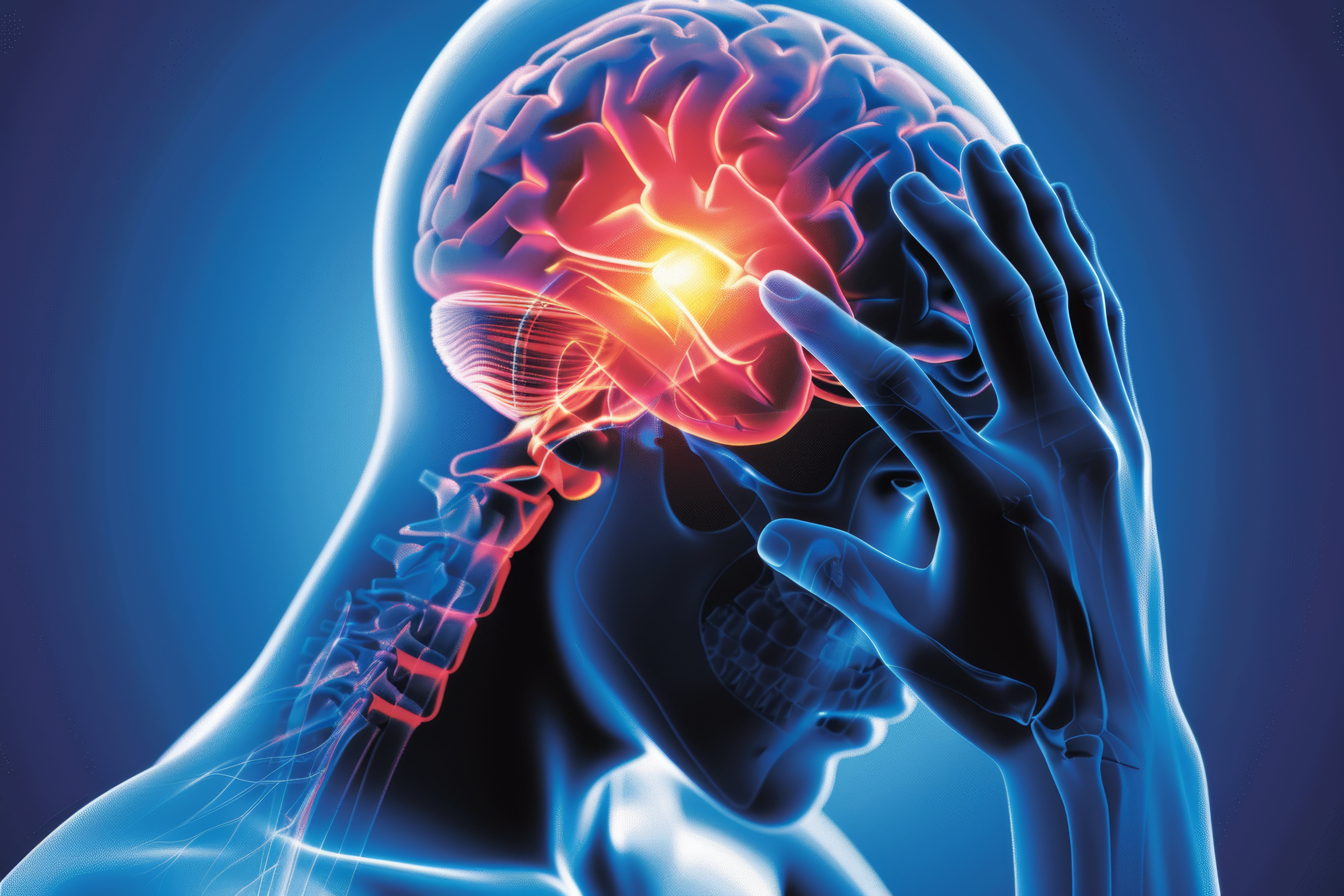
Many headaches — including tension headaches, cervicogenic headaches, and even some migraines — originate from dysfunction in the cervical spine. At Pittsburgh Physical Medicine, our chiropractors and licensed physical therapist treat the structural root cause of your headaches, not just the symptoms.

UPMC & Highmark BCBS In-Network No Referral Needed for PT Same-Week Appointments
🧠

Types of Headaches We Treat

Not All Headaches Are the Same — And Not All Respond to the Same Treatment

At Pittsburgh Physical Medicine, we commonly treat four types of headaches. The most important distinction — and the one most frequently missed by primary care physicians — is the cervicogenic headache, which originates in the neck and is often misdiagnosed as a migraine.

😤
Most Common Type

Tension Headache

The most common headache type — caused by muscle tension, trigger points, and poor posture in the neck, shoulders, and upper back. Extremely common in Pittsburgh's office and healthcare worker population.

  • Band-like pressure or tightness around the head
  • Dull, aching pain — typically bilateral
  • Associated with neck and shoulder tightness
  • Worsens with stress, screen time, and poor posture
  • Responds well to chiropractic and manual PT
Neurological

Migraine

A complex neurological condition characterized by severe, often one-sided head pain with associated symptoms. While migraines have multiple triggers, cervical dysfunction frequently plays a significant contributing role.

  • Severe, throbbing pain — usually one-sided
  • Sensitivity to light, sound, and smell
  • Nausea and vomiting
  • May be preceded by visual aura
  • Cervical treatment can reduce frequency and severity
🌩️
Nerve-Driven

Occipital Neuralgia

Sharp, electric, or shooting pain in the back of the head and neck caused by irritation or compression of the occipital nerves — often stemming from tight neck muscles or upper cervical joint dysfunction.

  • Sharp, electric pain in the back of the head
  • Sensitivity to touch at the base of the skull
  • Pain radiating from the neck to the scalp
  • Often confused with migraines or cluster headaches
  • Responds well to cervical manual therapy

Understanding the Root Cause

What Is a Cervicogenic Headache — and Why Is It So Often Missed?

A cervicogenic headache (CGH) is a headache that originates from a source in the cervical spine — the upper neck — and refers pain into the head. The word "cervicogenic" literally means "arising from the cervix (neck)." Despite being responsible for an estimated 15–20% of all chronic recurring headaches, cervicogenic headaches are frequently misdiagnosed as migraines or tension headaches because the primary complaint is head pain, not neck pain.

The mechanism is well-understood: the upper cervical nerve roots (C1, C2, and C3) share neurological pathways with the trigeminal nerve — the main nerve that carries sensation from the face and head. When structures in the upper cervical spine are irritated or dysfunctional (joint restriction, disc irritation, tight muscles, nerve compression), pain signals travel through these shared pathways and are perceived as coming from the head rather than the neck.

The key clinical clue: If your headache worsens when you turn your head, tilt your neck, hold a sustained posture (like looking at a screen), or is provoked by pressing on the back of your neck — there is a very strong chance your headache is cervicogenic and will respond to chiropractic and/or physical therapy treatment.

Common cervicogenic headache sources include upper cervical facet joint dysfunction (particularly C0-C1, C1-C2, C2-C3), suboccipital muscle tightness and trigger points, upper cervical disc irritation, and poor cervical posture that chronically loads the upper cervical spine.

How to Tell If Your Headache Is Cervicogenic

  • Headache is provoked or worsened by neck movement or sustained neck postures
  • Pain starts at the base of the skull and spreads forward
  • Usually one-sided (though can alternate sides)
  • Accompanied by neck pain, stiffness, or restricted range of motion
  • Dull, non-throbbing ache — rather than the pulsating pain of migraine
  • Pain relieved temporarily by anesthetic block of the cervical joints or nerves (diagnostic confirmation)
  • May be associated with shoulder or arm pain
  • Worsened by computer use, driving, or looking down at a phone

Cervicogenic Headache: By the Numbers

The research on cervicogenic headaches is compelling — and the case for chiropractic and physical therapy as first-line treatments is strong.

15–20%
of all chronic recurring headaches are cervicogenic
4:1
female-to-male ratio — more common in women
72%
of cervicogenic headache patients improve with manual therapy
4–8
visits average to see significant headache reduction

Who Gets Cervicogenic Headaches?

Cervicogenic headaches are particularly common among Pittsburgh's:

  • Office and tech workers in Oakland and Shadyside who sit at computers for long hours
  • Healthcare workers — nurses, doctors, and surgeons with prolonged forward-flexed postures
  • Students at Pitt, CMU, and Duquesne University who study for extended periods
  • People who've been in car accidents — whiplash frequently causes upper cervical dysfunction
  • Athletes in contact sports, cycling, or swimming
  • Anyone with poor posture — especially forward head posture

Our Treatment Approach

How Chiropractic and Physical Therapy Treat Headaches

At Pittsburgh Physical Medicine, you have access to both chiropractic and physical therapy under one roof — and our providers coordinate your care. Research shows that the combination of cervical manipulation and targeted exercise therapy produces superior outcomes for cervicogenic and tension headaches compared to either treatment alone.

Chiropractic Care

Dr. Foltz & Dr. O'Mara

Our chiropractors use precise cervical spinal manipulation and soft tissue techniques to restore normal joint motion in the upper neck — directly addressing the structural source of cervicogenic and tension headaches.

  • Cervical Spinal Adjustment

    Targeted high-velocity, low-amplitude manipulation of restricted upper cervical joints — proven to reduce headache frequency and intensity by restoring normal motion and reducing nerve irritation.

  • Upper Cervical Mobilization

    Gentler, low-velocity techniques for patients who prefer a less forceful approach — equally effective for restoring cervical joint motion and reducing headache symptoms.

  • Suboccipital Release

    Manual release of the small suboccipital muscles at the base of the skull — a key source of both tension headaches and cervicogenic headaches.

  • Graston / IASTM Technique

    Instrument-assisted soft tissue mobilization to address chronic muscle tension, adhesions, and trigger points in the neck and upper back that drive headaches.

  • Trigger Point Therapy

    Deactivating the myofascial trigger points in the upper trapezius, levator scapulae, and suboccipital muscles that refer pain directly into the head.

Physical Therapy

Dr. Charlie Crockatt, DPT

Dr. Crockatt's Orthopedic Manual Therapy certification makes him uniquely qualified to treat the cervical spine dysfunction underlying most headaches — with a focus on long-term correction and prevention.

  • Cervical Joint Mobilization

    Hands-on mobilization of the upper cervical facet joints — the primary source in most cervicogenic headaches. Graded joint mobilization is one of the most research-supported treatments for CGH.

  • Deep Neck Flexor Training

    Strengthening the deep cervical stabilizers (longus colli, longus capitis) is essential for long-term headache resolution. Weakness in these muscles is a consistent finding in both cervicogenic and tension headache patients.

  • Postural Correction

    Forward head posture increases the mechanical load on the upper cervical spine dramatically — for every inch of forward head translation, the effective weight of the head increases by roughly 10 lbs. Correcting this is critical for lasting headache relief.

  • Cervicothoracic Mobility Work

    Stiffness in the thoracic spine forces compensatory hypermobility and loading in the cervical spine. Addressing thoracic mobility reduces cervical load and headache frequency.

  • Scapular Stabilization

    Weak or dysfunctional scapular stabilizers lead to elevated upper trapezius activity — one of the primary drivers of tension headaches. Scapular strengthening is a key component of headache PT.

Why the Combined Approach Works Best

Chiropractic adjustments restore joint mobility and reduce nerve irritation — producing rapid, often immediate relief. Physical therapy builds the strength and postural correction that makes those results last. At Pittsburgh Physical Medicine, Dr. Foltz, Dr. O'Mara, and Dr. Crockatt communicate about every headache patient — building one unified plan that combines the best of both disciplines. This is something no single-discipline practice can offer.

Recognize Your Symptoms

Signs That Your Headache Is Coming From Your Neck

If you experience several of these signs, your headaches may be cervicogenic — and chiropractic and physical therapy at Pittsburgh Physical Medicine could be the solution you've been looking for.

🔄

Worsened by Neck Movement

Your headache intensifies when you turn your head, look up, look down, or maintain a sustained neck posture like working at a computer or looking at your phone.

📍

Starts at the Base of Your Skull

Pain originates at the back of the head or upper neck and radiates forward — often spreading to the forehead, temple, or behind one eye. This pattern is classic for cervicogenic headache.

💻

Worsened by Screen Time

Your headaches are consistently triggered or aggravated by prolonged computer use, phone use, or desk work — because these postures load the upper cervical spine. Extremely common in Pittsburgh's professional population.

🧊

Stiff, Restricted Neck

You have reduced neck range of motion — particularly difficulty rotating or tilting your head — either during or between headache episodes. Cervical joint stiffness is a hallmark of cervicogenic headache.

💊

Medication Isn't Working

Your headaches don't respond well to ibuprofen, Excedrin, or even prescription triptans — because you're treating the wrong cause. Cervicogenic headaches require structural treatment, not just medication.

🚗

History of Neck Injury

You've had a whiplash injury, car accident, or other neck trauma — even years ago. Upper cervical dysfunction from old injuries is one of the most common long-term causes of cervicogenic headaches.

👆

Tender at the Base of Skull

Pressing on the muscles at the base of your skull or on your upper cervical spine reproduces your headache or triggers the familiar pain pattern. This is a key diagnostic sign of cervicogenic headache.

↩️

One-Sided Head Pain

Your headache consistently affects the same side — or alternates sides episode to episode. This asymmetric pattern, combined with neck involvement, is a distinguishing feature of cervicogenic versus classic migraine.

How Pittsburgh Physical Medicine Treats Headaches

At Pittsburgh Physical Medicine, every headache patient receives a thorough evaluation to identify the specific type and source of their headaches. Dr. Foltz, Dr. O'Mara, and Dr. Crockatt assess cervical range of motion, joint mobility, muscle function, postural alignment, and neurological signs to determine the exact contribution of the cervical spine to your headaches.
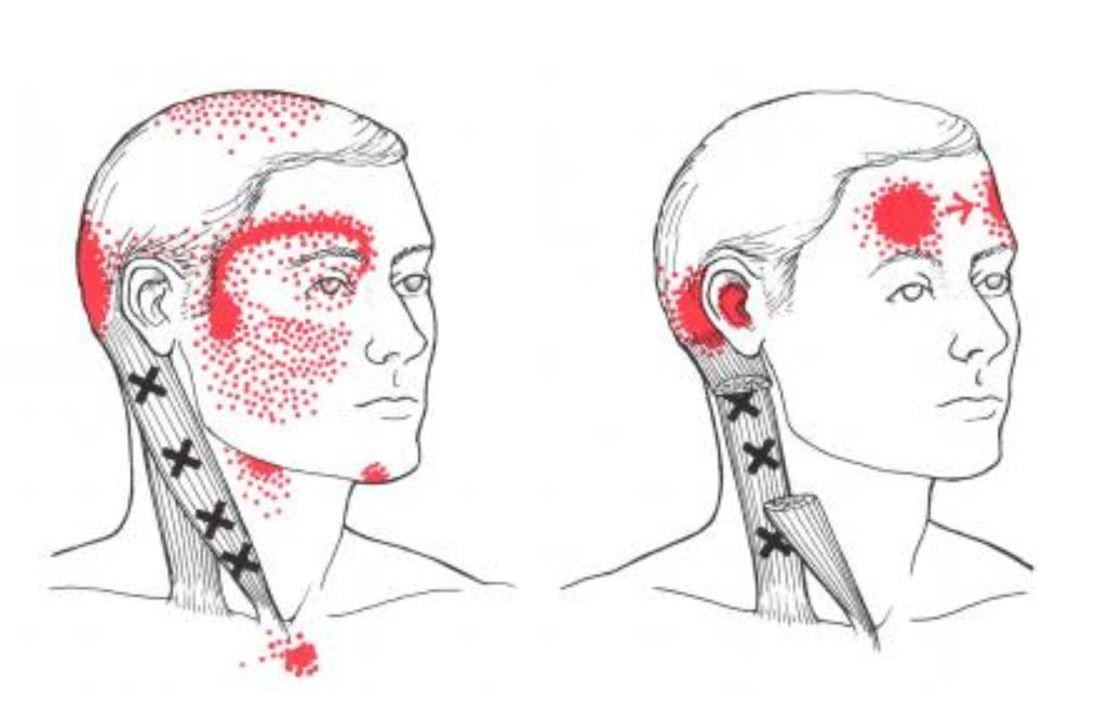
Cervicogenic headache diagram showing nerve pathways from neck to head

Cervicogenic headaches are caused by dysfunction in the upper cervical spine joints.

Based on this evaluation, we build a coordinated treatment plan that may involve chiropractic care, physical therapy, or both — depending on what will produce the best outcome for your specific headache pattern. Many patients with cervicogenic and tension headaches see improvement within their first 2–3 visits.

Cervicogenic Headaches After Car Accidents

One of the most common — and most overlooked — causes of cervicogenic headaches is whiplash from a car accident. Pittsburgh's congested roads on Route 28, the Parkway East, and Penn Avenue mean motor vehicle accidents are a daily occurrence. The rapid acceleration-deceleration forces of a car crash can cause upper cervical joint injury, ligament sprain, and muscular trauma that leads to persistent headaches — sometimes starting weeks or months after the accident.

If you developed headaches following a car accident in Pittsburgh — even if it seemed minor at the time — there is a strong likelihood that your upper cervical spine was injured in the crash. Early chiropractic and physical therapy treatment produces dramatically better outcomes than waiting. We accept auto insurance directly and can often schedule accident patients within 24–48 hours.

Important: If your headaches are sudden and severe ("thunderclap headache"), accompanied by fever, stiff neck, vision changes, confusion, weakness, or numbness, seek emergency care immediately — these can be signs of a serious medical condition that requires urgent evaluation.

Forward Head Posture and Headaches in Pittsburgh

Forward head posture (FHP) — where the head sits in front of the body's center of gravity rather than directly above the shoulders — is one of the single most common contributors to both cervicogenic and tension headaches in Pittsburgh. For every inch the head shifts forward, the effective weight pressing down on the cervical spine increases by approximately 10 pounds. A head that normally weighs 10–12 lbs effectively weighs 30–42 lbs when held just 2–3 inches forward — dramatically loading the upper cervical joints, muscles, and nerves.

FHP is epidemic in Pittsburgh's tech, healthcare, and student populations — anyone who spends significant time looking at screens or working in a flexed posture. Dr. Crockatt's physical therapy approach specifically addresses forward head posture correction through deep neck flexor strengthening, thoracic extension exercises, and scapular retraction training — creating lasting postural changes that reduce headache frequency at the root.

What Results Can Pittsburgh Headache Patients Expect?

Results vary by headache type and duration, but our patients consistently report meaningful improvement. Here's a general guide to what to expect:

  • Tension headaches: Most patients notice significant improvement within 3–5 visits. Many report relief after their very first treatment.
  • Cervicogenic headaches: Significant reduction in headache frequency and intensity typically occurs within 4–8 visits. Many patients achieve near-complete resolution with a full course of care.
  • Migraines with cervicogenic component: Chiropractic and PT often reduce migraine frequency by 40–70% — particularly for patients whose migraines are triggered or worsened by neck activity.
  • Post-whiplash headaches: Respond excellently to early cervical treatment. Patients treated promptly after an accident have significantly better outcomes than those who wait.

At Pittsburgh Physical Medicine, we will give you a realistic, honest assessment of what chiropractic and physical therapy can achieve for your specific headache pattern at your very first visit. We don't oversell, and we don't run unnecessary long treatment plans.

Serving Headache Patients Across Pittsburgh

Pittsburgh Physical Medicine at 5916 Penn Ave in East Liberty is conveniently located for headache patients across Pittsburgh's East End — including Shadyside, Bloomfield, Oakland, Lawrenceville, Highland Park, Aspinwall, Point Breeze, Regent Square, and Wilkinsburg. Most patients reach us in under 10 minutes. Same-week appointments are typically available, and we are in-network with UPMC Health Plan, Highmark BCBS, Aetna Commercial, and United Healthcare. No referral is required for your first 30 days of physical therapy.

Frequently Asked Questions

Headache Treatment in Pittsburgh — Common Questions

What is a cervicogenic headache?
A cervicogenic headache is a headache that originates from a source in the cervical spine — the joints, discs, muscles, or nerves of the neck. The pain is referred into the head from the neck, most commonly starting at the base of the skull and spreading forward. Cervicogenic headaches are responsible for an estimated 15–20% of all chronic recurring headaches and are frequently misdiagnosed as migraines or tension headaches because the head pain is the primary complaint — even though the source is in the neck.
Can a chiropractor help with cervicogenic headaches?
Yes — and the research is compelling. Chiropractic spinal manipulation of the cervical spine is one of the most well-studied and effective treatments for cervicogenic headaches. By restoring proper joint motion and reducing nerve irritation in the upper cervical spine, chiropractic adjustment directly addresses the structural source of the headache. Multiple randomized controlled trials show significant reduction in headache frequency, intensity, and duration with cervical chiropractic care. At Pittsburgh Physical Medicine, most cervicogenic headache patients notice improvement within their first 2–3 adjustments.
Can physical therapy treat cervicogenic headaches?
Absolutely. Physical therapy for cervicogenic headaches focuses on cervical joint mobilization, deep neck flexor strengthening, postural correction, and soft tissue release. Research shows that cervical manual therapy combined with therapeutic exercise produces superior outcomes compared to either treatment alone — which is exactly why the coordinated chiropractic and PT approach at Pittsburgh Physical Medicine is so effective. Dr. Crockatt's Orthopedic Manual Therapy certification makes him particularly well-equipped to treat the cervical dysfunctions driving headaches.
How do I know if my headaches are cervicogenic or migraine?
Key distinguishing features of cervicogenic headache: pain that worsens with neck movement or sustained postures; pain starting at the base of the skull and radiating forward; restricted neck range of motion; reproduction of headache with pressure on the upper neck; typically one-sided but non-pulsating; no nausea/vomiting/light sensitivity. Migraines tend to be pulsating, more severely debilitating, associated with nausea/light/sound sensitivity, and may include visual aura. That said, many patients have both — and cervical dysfunction can also trigger migraines in susceptible individuals. Our providers will evaluate your headache pattern thoroughly at your first visit.
How many visits does it take to treat headaches with chiropractic and PT?
Most patients with tension or cervicogenic headaches notice improvement after their first or second treatment. Significant, lasting reduction in headache frequency typically takes 4–8 visits. We also give you home exercises and postural corrections to maintain results between visits and prevent recurrence. Chronic headache cases that have been present for years may require a longer course, but even these patients typically see meaningful improvement within the first month of care.
Does Pittsburgh Physical Medicine accept insurance for headache treatment?
Yes. We are in-network with UPMC Health Plan, Highmark BCBS, Aetna Commercial, and United Healthcare for both chiropractic care and physical therapy. We verify your benefits before your first visit so there are no surprises. No referral is required for your first 30 days of physical therapy in Pennsylvania. For headaches related to a car accident, auto insurance coverage may also apply. Call (412) 404-8337 to verify your specific plan.
Can chiropractic help with migraines?
Yes — research consistently shows that chiropractic manipulation reduces migraine frequency and severity, particularly for patients with a cervicogenic component to their migraines. A landmark study in the Journal of Manipulative and Physiological Therapeutics found chiropractic care produced outcomes comparable to medication for migraine prevention. While chiropractic isn't a cure for all migraines (which have complex neurological and vascular components), many Pittsburgh migraine patients see significant improvement in frequency and severity through cervical treatment.

Stop Managing Your Headaches.
Treat the Cause.

If you've been managing headaches with medication without addressing what's driving them — there's a better way. Same-week appointments at Pittsburgh Physical Medicine. UPMC, Highmark BCBS, Aetna & United in-network.